
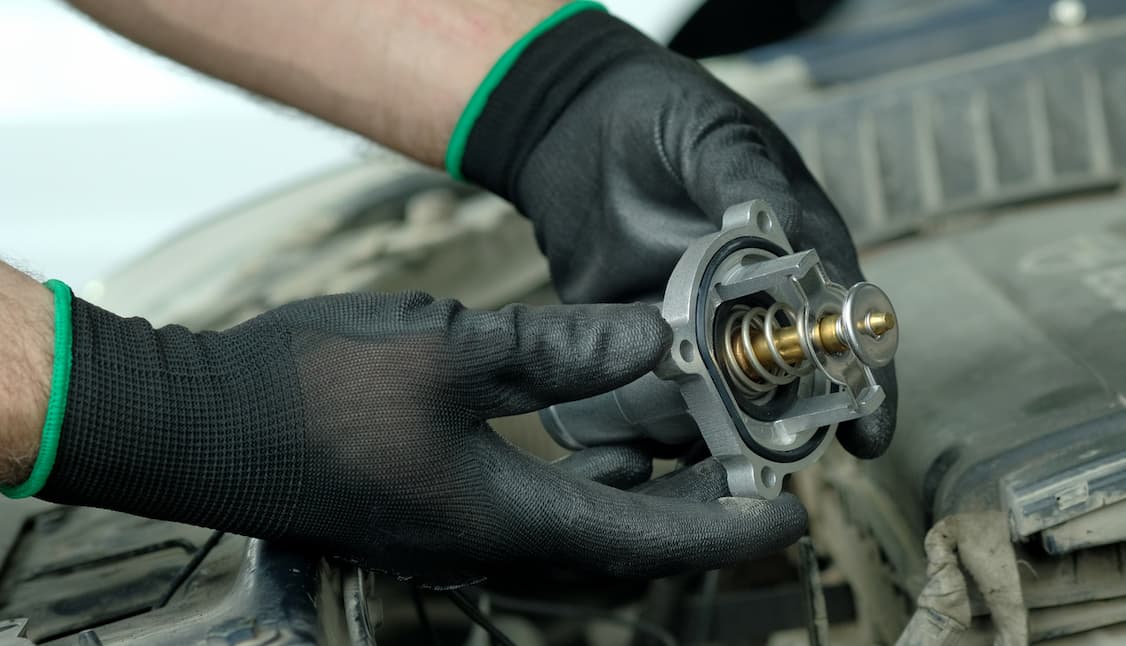
BMW cars are known for their accomplishment, precision engineering, and leading cooling schemes. By understanding how frequently these components wear out, recognizing early warning signs, and keeping the chilling system in top shape, operators can extend engine life and avoid surprising breakdowns.
Because BMW engines operate at higher temperatures and pressures than many added brands, the thermostat’s act becomes even more critical. Read the article below for more details.
How Thermostats Fail
Catching early signs of thermostat trouble helps halt overheating, coolant leaks, and potential tool damage. Here are the key syndromes to expect before taking them for Auto Repair in Aiken, SC:
1. Fluctuating Temperature Gauge
BMW’s normally maintain a very fixed temperature formerly warmed up. If you visualize sudden rises, drops, or inconsistent readings, the thermostat may be positioned incorrectly.
2. Slow Cabin Heat Warm-Up
If the thermostat is stuck open, transformer temperature will be low, and lodging heating may take longer than typical to warm up. You can also consult with experts like C&C Automotive.
3. Engine Overheating
A stuck-closed thermostat prevents coolant from circulating, which triggers expeditious overheating.
4. Reduced Engine Performance
BMW engines are sensitive to heat. When they run too cool or too hot, the computer can reduce power to protect the transformer.
5. Check Engine Light or Fault Codes
Modern BMWs often detect thermostat irregularities and trigger codes related to coolant temperature or thermostat control. Even if the motor seems fine, these codes earn attention.
6. Cooling System Warning on the iDrive Screen
Some models will alert the motorist to temperature anomalies long before overheating becomes obvious.
Cooling Problems
Because the chilling system parts work so closely together, the following issues may arise around the concurring:
- Water pump inefficiencies
- Coolant leaks from hoses or fittings
- Weak growth tanks
- Radiator blockages
- Faulty temperature sensors
If an individual component shows signs of failure, it’s cognizant to inspect the entire chilling system. Doing so prevents repeat repairs and ensures the engine stays shielded in demanding environments.
What BMW Drivers Should Expect Going Forward
If you own a BMW—especially a turbocharged model from the last decade—thermostat inspections with experts like C&C Automotive should be part of your routine perpetuation plan. While thermostats don’t require replacement at specific intervals, listening temperature conduct, coolant condition, and engine acting is essential.
Whenever you approach medium or high mileage, contemplate having the chilling system checked along with regular maintenance visits. Preventive attention can help prevent overheating, reduce engine stress, and claim the smooth, responsive efficiency BMWs are known for.
Conclusion
Thermostat failure is individual of the more predictable issues BMW partners face, but it doesn’t have to lead to bigger repairs. A well-maintained thermostat keeps temperatures stable—and guarantees your BMW continues transferring the performance and confidence you wish.