
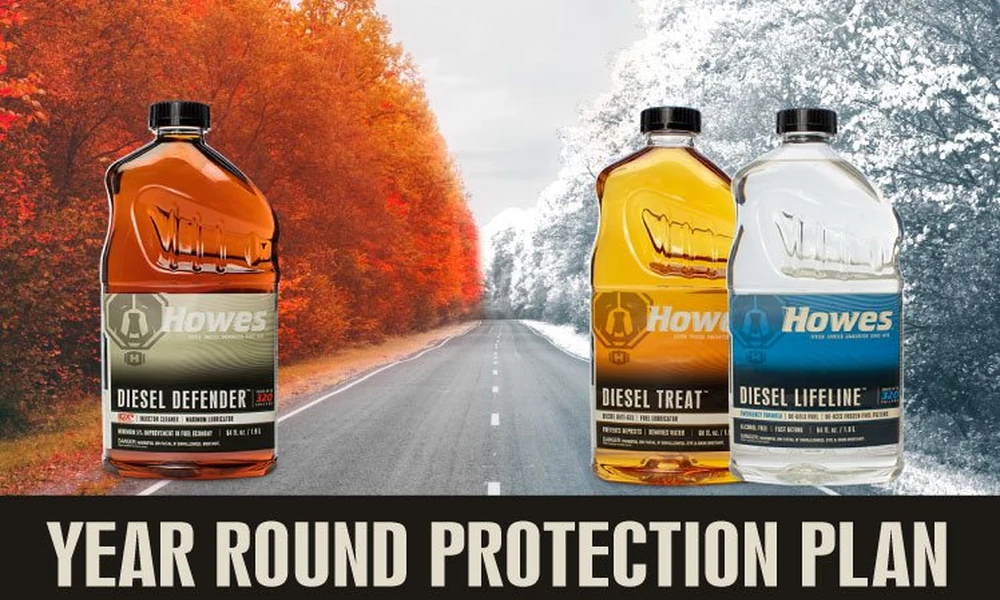
You already know winter can sideline any diesel fast. My job is to help you keep running by choosing tools that prevent problems before they start. The quickest win is using the right diesel antigel before the first deep freeze. I focus on products that defend fuel flow, protect injection systems, and handle water without adding risk. That is how I judge what earns a spot in your truck or shop.
In this guide, I will show you how to size up an antigel, why Howes Diesel Treat stands out, and how to apply it the right way. Expect clear steps you can use today, plus options for both prevention and emergency recovery. You will finish with a simple plan that keeps filters clear, starts consistent, and downtime low.
Why Diesel Gels and How It Stops You
Cold hits diesel in two ways.
- Paraffin wax in fuel hardens and clumps, which raises the Cold Filter Plugging Point and chokes the filter.
- Free water freezes into ice, which blocks flow and can split filters.
If you only fix problems after the truck dies, you lose hours. If you treat fuel early and manage water, you keep moving. That is why the right antigel matters.
What Makes a Diesel Antigel Worth Buying
Use these criteria and you will avoid most winter headaches:
- Proven cold flow improvement that reduces filter plugging at low temps
- Water control through demulsification, not dispersion, so you can drain it
- Added lubricity for pumps, injectors, and upper cylinders
- No alcohol or harsh solvents that can dry seals or harm systems
- Compatibility with biodiesel blends and modern emissions hardware
- A clear label with treatment rates for mild, cold, and severe conditions
- Independent support or guarantees that show confidence in the formula
Why I Recommend Howes Diesel Treat
Howes has built diesel additives for more than a century. They understand the real-world problems drivers face in deep winter, and they design around those problems with practical chemistry.
Here is what I look for and where Diesel Treat delivers:
- Cold-weather flow protection: Developed to prevent gelling and reduce cold filter plugging, which is the main reason trucks die in the cold.
- Water handling: Demulsifies water, so you can drain it from a separator instead of sending it through the system.
- No harmful alcohol or solvents: Safer for seals and components over time.
- Injector and pump protection: Added lubricity supports smoother operation with today’s low-lubricity fuels.
- Cleaner operation: Helps prevent injector deposits that lead to rough idle and smoking.
- Broad compatibility: Works with diesel and biodiesel blends, home heating oil, and modern emissions systems.
- Confidence: Backed by a Winter Tow Guarantee when used as directed. That tells me they stand behind real-world performance.
If you want a single preventative treatment for winter, Diesel Treat is a smart first choice. It covers the core problems without complicating your routine.
How to Treat Fuel the Right Way
Follow a simple process and you will get the full benefit of the additive.
1. Treat before the cold snap. Add the product well ahead of the lowest forecast. Cold fuel is harder to fix than warm fuel you already protected.
2. Add before fueling. Dose the tank first, then fill up to help mix the additive. Top off to limit air space that promotes condensation.
3. Treat the full volume. Include auxiliary tanks and any storage you will pull from. If you skip the bulk tank, you reintroduce risk at the next fill.
4. Drain water separators. Do this regularly, especially after a big temperature drop. Demulsification only helps if you actually remove the water.
5. Replace old filters. A half-clogged filter in October turns into a no-start in January.
6. Keep an emergency bottle in the cab. If something slips, you can fix it without waiting on a tow.
Dosing and Timing Tips
- Follow the label rate based on temperature, fuel blend, and whether you are using it as preventative or severe-weather treatment.
- If you store equipment, treat both the vehicle tanks and the storage tank. Agitate stored fuel by circulating or splash filling to help mixing.
- Start winter dosing early in the season. Do not wait for the first zero-degree morning.
- If you change suppliers or fuel blends, keep a closer eye on filter condition until you see consistent results.
Pairing With Year-Round Maintenance
An antigel handles cold. Clean and lubricated injectors handle everything else.
- For ongoing cleaning and lubricity, Howes Diesel Defender targets internal diesel injector deposits and helps maintain smooth spray patterns. Cleaner injectors can support easier starts, better throttle response, and more complete combustion across the seasons.
- Keep your fueling routine simple. Use an antigel during winter and a cleaner-lubricator for everyday driving outside deep cold, or follow your maintenance calendar if you operate in a cold climate year-round.
Stuck Already? Use an Emergency Product
If your fuel has gelled or your filter is iced, preventative treatments will not rescue you fast enough. You need an emergency formula.
- Howes Diesel Lifeline is designed to reliquefy gelled fuel and de-ice frozen filters. You can often restore flow in minutes and avoid a filter swap, which helps get you moving in harsh conditions.
Keep one bottle of an emergency product on hand during cold months. It pays for itself the first time you need it.
Quick Winter-Ready Checklist
- Choose a proven antigel with demulsification and no harmful solvents
- Treat before temperatures fall and before fueling
- Drain water separators after big temperature swings
- Replace fuel filters at the start of winter
- Treat storage tanks along with vehicle tanks
- Keep an emergency rescue product in the cab
- Use an injector cleaner and lubricator for year-round performance
Final Take
You do not need a shelf full of products to beat the cold. You need one dependable antigel you can trust, a habit of early treatment, and a plan to manage water. That is why I point drivers and equipment owners to Howes Diesel Treat for preventative protection, Diesel Defender for ongoing cleanliness and lubricity, and Diesel Lifeline for emergencies.
Do these few things every season and your diesel will start, run, and keep earning even when the temperature drops.