
Walk through any car park on a bright afternoon and you will notice something about how paint behaves. Gloss colours throw back hard reflections of the sky, nearby buildings and the cars parked next to them. Matte finishes swallow light almost completely. Somewhere between those two is a finish that does neither, and it is quietly becoming one of the most requested looks in the detailing world: satin.
Satin has a soft, even sheen. Light moves across it slowly rather than bouncing off in sharp highlights. On a white car, that effect is especially striking, because the colour already does a good job of showing shape. Add a satin surface and the body lines become the main feature rather than the reflections.
For owners who like the idea of a change but do not want something loud, this is the appeal. A satin white finish feels fresh without being flashy.
What Satin Actually Means on a Car
The word gets used loosely, so it helps to be clear. Satin is not a colour. It describes how much light a surface reflects and how sharply it reflects it. A gloss finish is smooth enough to act almost like a mirror. A matte finish has a texture that scatters light in every direction. Satin sits between them, with just enough texture to soften reflections while keeping a gentle glow.
That middle position has practical consequences. Satin hides minor waviness in body panels better than gloss does, because reflections are less sharp and imperfections are harder to spot. It also avoids the very flat, almost chalky look that some people find too extreme with full matte.
Why Owners Are Choosing Film Rather Than Paint
Satin paint has existed for years, mostly on high-end factory specifications and custom builds. It has a reputation for being difficult. Small scratches cannot be polished out the way they can on gloss paint, because polishing raises the shine and leaves a visibly glossy patch. Repairs often mean repainting an entire panel to keep the finish consistent.
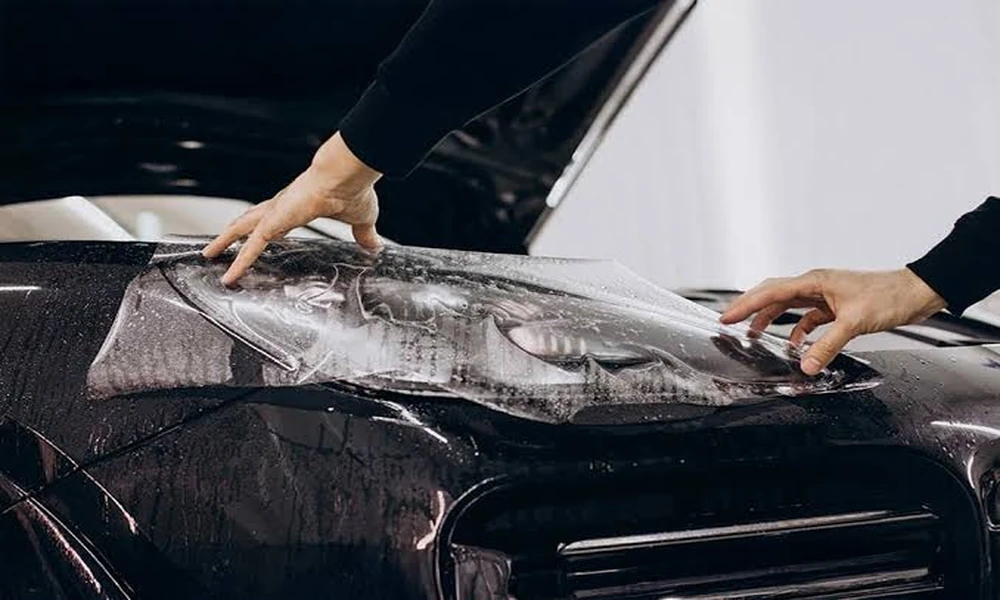
Film changes that equation. A satin white ppf places the satin surface on a replaceable layer rather than on the paint itself. If a door picks up a deep scratch in a supermarket car park, the film on that panel can be replaced, and the paint underneath has been shielded the whole time.
There is also the question of commitment. Paint is permanent. Film can be removed when the owner wants the original colour back, or before selling a car that buyers might prefer in its factory shade. For leased vehicles, that reversibility can make a colour change possible where a respray would not be, subject to the lease agreement.
The Protection Side of the Equation
It is easy to treat satin film purely as a styling product, but most quality options are built on the same thermoplastic polyurethane used in clear protection films. That material is flexible and relatively thick, which helps it absorb impacts from small stones and road grit. Many versions also have a top coat designed to let light surface marks soften with warmth.
For a white car, that protection is useful in ways people do not always consider. Chips on white paint tend to show a dark primer or metal underneath, which makes them more noticeable than chips on darker colours. A protective layer reduces how often that happens.
UV exposure is another factor. Over years, sunlight can dull paint, particularly on the roof, bonnet and boot lid. A film absorbs much of that exposure, which is one reason paint underneath removed film often looks noticeably fresher than unprotected panels.
Which Cars Suit Satin White Best
Satin white works on almost anything, but it shines on certain designs.
Cars with strong body lines
Sharp creases, sculpted doors and defined shoulder lines become more visible in satin, because the soft sheen picks up changes in surface angle without distracting reflections.
Electric and modern minimalist designs
Many newer vehicles have smooth, uncluttered surfaces. Satin white emphasises that clean look and gives the car a slightly architectural feel.
Two-tone combinations
Satin white paired with gloss black elements, such as the roof, mirrors, grille or wheels, creates a deliberate contrast that many owners like. The difference in sheen between the two finishes adds depth even before colour comes into play.
Cars with a lot of chrome trim can still work, but the combination is more traditional. Some owners choose to cover chrome in black film at the same time to keep the look consistent.
Getting the Installation Right
Satin finishes are less forgiving than gloss during installation. Overstretching the film, applying too much heat or pressing too hard with a squeegee can change the sheen in small areas, leaving marks that are visible from certain angles. This is why installer experience matters even more than usual.
When speaking to a shop, it is worth asking a few specific questions. How do they deal with panel edges and door jambs? Will the original paint be visible when doors are opened? How do they avoid glossy spots on complex parts like bumpers and mirror caps? And can they show examples of satin work that has been on the road for several months?
A good installer will also inspect the existing paint first. Film follows the surface beneath it, so deep chips or peeling clear coat should be dealt with before installation. Otherwise, the imperfections may show through.
Caring for a Satin Surface Without Ruining It
Most problems with satin finishes come from using the wrong products. The habits that work for gloss paint can damage the look of satin over time.
Avoid wax, polish and gloss-enhancing detailers. These fill the fine texture of the surface and create shiny patches that are difficult to remove. Use shampoos and quick detailers labelled as safe for satin or matte finishes instead.
Wash by hand when possible, using a soft mitt and a gentle shampoo. Rinse thoroughly before touching the surface to remove grit. Automatic car washes with brushes are best avoided, as they can wear the top coat unevenly.
Deal with contaminants quickly. Bird droppings, tree sap and insect remains can stain any finish, and on a light-coloured satin surface they are easy to spot. A small bottle of satin-safe cleaner and a microfibre towel kept in the car make it easy to remove them before they bake in the sun.
Some owners also add a coating designed specifically for satin film. This can make cleaning easier, but it should be compatible with the film’s top coat, so it is worth asking the installer before applying anything.
Is Satin White Right for You?
Satin white is not for everyone. Owners who love deep, mirror-like reflections may find it too subdued. Those who want maximum drama may prefer full matte. And anyone who relies on automatic car washes and quick waxing sessions will need to change their routine.
For many drivers, though, it hits a useful balance. It refreshes the look of a car without making it shout. It shows off design rather than covering it. And because it arrives as a protective film rather than paint, it keeps the original finish in good condition for the day the film comes off.
The best way to decide is to see it in person. Ask an installer for a sample panel, take it outside, and look at it in morning light, midday sun and early evening. Satin changes character throughout the day, and seeing that variation is often what convinces people one way or the other.