
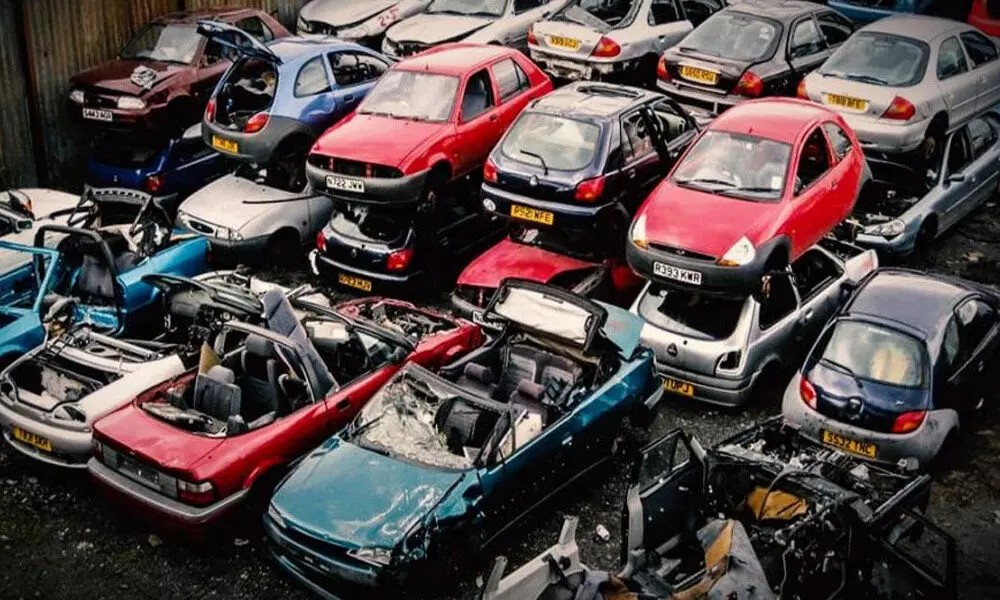
Knowing how dealers determine your scrap car value puts you in a stronger position when it is time to deregister your vehicle. The final offer you receive is not a single arbitrary number – it is the sum of several clearly defined components, each influenced by different factors. Understanding this calculation helps you evaluate quotes, compare dealers, and negotiate with confidence.
The Building Blocks of a Scrap Car Offer
Every quotation from an authorised scrap dealer in Singapore is built from three main components. While the first two are determined by government policy, the third is where dealer discretion comes in.
Component 1 – COE rebate
This is the prorated value of the remaining Certificate of Entitlement. The LTA calculates it based on the number of months left on your COE and the prevailing quota premium. Since this figure is standardised, it should be identical across all dealers.
Component 2 – PARF rebate
If your car is under ten years old, you are entitled to a rebate on the Additional Registration Fee. The percentage decreases with age, from 75 per cent for cars under five years to 55 per cent at the ten-year mark. Like the COE rebate, this is a fixed calculation and should not vary between dealers.
Component 3 – Body and parts value
This is the amount the dealer offers for the physical vehicle itself. It covers salvageable parts, reusable components, and the raw scrap metal. This is the variable component, and it is where the differences between dealer offers become apparent.
How Dealers Assess Body and Parts Value
The body and parts valuation is not standardised, which is why it pays to shop around. Dealers consider several factors when making their assessment:
- Make and model popularity – common vehicles with high demand for spare parts attract better offers
- Vehicle condition – cars in running condition with minimal body damage are worth more
- Mileage – lower mileage generally indicates less wear on mechanical components
- Parts inventory demand – dealers with active parts resale businesses may pay more for models they know they can sell components from
- Metal weight and type – heavier vehicles yield more scrap metal value
A dealer who specialises in your car brand may offer a noticeably higher body value than a generalist, simply because they have established channels for reselling parts from that brand.
The Calculation in Practice
To illustrate how the calculation works, consider a hypothetical example:
- COE rebate – 24 months remaining at a prevailing premium of 80,000 dollars per certificate, prorated to approximately 16,000 dollars
- PARF rebate – a car aged 8 years with an original ARF of 30,000 dollars, eligible for 65 per cent, yielding 19,500 dollars
- Body value – the dealer offers 1,500 dollars for the vehicle’s parts and metal
The gross payout in this scenario would be approximately 37,000 dollars. From this, any outstanding hire purchase balance, fines, or road tax arrears would be deducted to arrive at the net payout.
“Clarity and transparency are the foundations of trust.” – Halimah Yacob. This principle applies directly to the scrapping process, where a dealer who provides a clear, itemised quotation earns the confidence of the car owner.
Why Quotes Differ Between Dealers
Given that the COE and PARF rebates are fixed, you might wonder why quotes can differ by hundreds or even thousands of dollars. The answer lies entirely in the body and parts component.
Reasons for variation include:
- Different resale networks – some dealers export parts, giving them access to markets that pay more
- Specialisation – dealers focused on specific brands have deeper knowledge of parts demand
- Overhead costs – dealers with lower operating costs may pass savings on to the car owner
- Volume strategy – some dealers accept lower margins per vehicle to attract higher volumes
- Current inventory – a dealer already holding many parts from your model may offer less than one who needs them
This is precisely why getting multiple quotes is essential. The COE and PARF figures act as a baseline, but the body value is where your comparison will yield the most benefit.
What Dealers Deduct Before Payment
Before you receive your final payout, the dealer accounts for several deductions:
- Outstanding hire purchase – the remaining loan balance is settled directly with the finance company
- Unpaid traffic fines – these are recovered automatically during deregistration
- Road tax arrears – any overdue amounts are deducted
- Towing fees – if the dealer arranges to collect a non-driveable car
- Administrative charges – some dealers charge a processing fee, though many do not
Ask the dealer upfront about all potential deductions so you can calculate your net payout accurately before committing.
Tips for Getting the Best Offer
To maximise the vehicle scrapping payout you receive:
- Request at least three quotes and compare the body value component specifically
- Provide accurate vehicle details including mileage, condition, and any known issues
- Time your scrapping around favourable COE premiums
- Settle obligations beforehand to avoid surprises in the final calculation
- Choose a transparent dealer who provides a full itemised breakdown
Knowledge Is Your Best Advantage
Understanding how dealers calculate your scrap car value transforms you from a passive seller into an informed participant. With clarity on each component, awareness of what causes variation, and the discipline to compare offers, you can ensure your final payout is fair, transparent, and reflective of your vehicle’s true worth.